
 Contact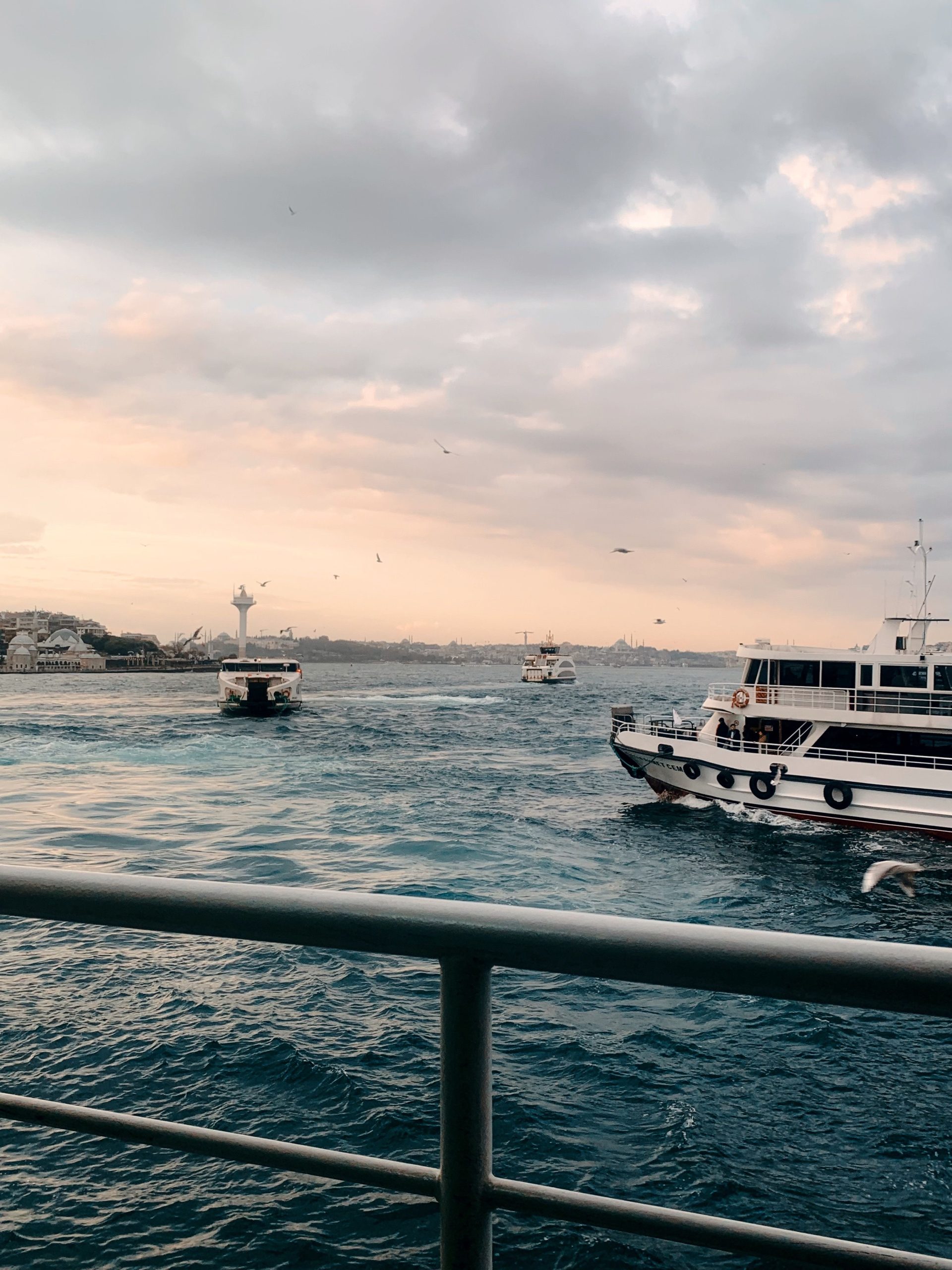
Knowing what to eat in Istanbul is only part of discovering the city’s food culture. Knowing when to eat can completely change the experience.
A simit bought from a quiet neighborhood bakery in the morning feels different from one picked up late in the afternoon. An esnaf lokantası reveals its full character during the lunch rush, when freshly prepared dishes fill the counter. Turkish coffee belongs as much to the pause after a meal as it does to the drink itself.
This does not mean that Istanbul follows a strict dining timetable. The city is too large, varied, and energetic for that. Yet beneath its apparent disorder is a recognizable rhythm shaped by work, commuting, family life, prayer, markets, ferries, and long-established social habits.
Visitors who understand this rhythm experience food in a more natural setting. They see what locals order, encounter dishes when they are freshest, and discover why certain places come alive at particular hours.
If you are wondering when to eat in Istanbul, this guide follows the city from its first morning tea to its final late-night sandwich.
Early Morning: Simit, Tea, and a City on the Move
Istanbul begins moving early.
Before cafés fill and breakfast tables are prepared, bakeries are already working. Trays of simit emerge from ovens, tea is brewed in small shops, and street vendors take their places near ferry terminals, metro stations, schools, and busy intersections.
For many Istanbul residents, breakfast on a weekday is practical rather than elaborate. A fresh simit with tea may be enough before work. Others add white cheese, olives, or a small pastry from a neighborhood bakery.
This is the best time to experience simit as part of daily life rather than simply as a famous food to check off a list. Between approximately 7:00 and 9:30 in the morning, it still belongs to the movement of the city: commuters carrying paper-wrapped bread, shopkeepers preparing to open, and ferry passengers drinking tea as they cross the Bosphorus.
For an especially Istanbul moment, take a morning ferry with simit and tea. The combination is modest, but the passing shoreline, sound of the ferry, and movement between two continents make it memorable.
Late Morning: The Long Turkish Breakfast
The famous Turkish breakfast spread follows a different rhythm.
A full breakfast may include several cheeses, olives, tomatoes, cucumbers, eggs, honey, clotted cream, jams, börek, sucuk, and baskets of bread. Tea is refilled throughout the meal, and the dishes remain in the middle of the table for everyone to share.
On weekdays, this kind of breakfast is more likely to be enjoyed by travelers, retirees, or people with time away from work. On weekends, however, breakfast becomes a major social event. Friends and families gather later in the morning and may remain at the table well into the afternoon.
Between 9:00 and 11:30 is usually a comfortable time for a traditional breakfast without turning it into lunch. At popular weekend locations, arriving earlier can also mean shorter waits and a calmer table.
Turkish breakfast should not be approached as a race to finish every plate. Its pleasure lies in variety, conversation, and repeated glasses of tea. Allowing enough time is part of eating it properly.
Lunchtime: The Esnaf Lokantası at Its Best
If there is one place where timing truly matters, it is the esnaf lokantası.
These traditional restaurants were created to serve shopkeepers, tradespeople, office workers, and others looking for a substantial meal during the working day. Their counters display soups, stews, vegetables cooked in olive oil, stuffed dishes, rice, beans, meat, and desserts.
The strongest time to visit is generally between 11:30 and 13:30. The dishes are fresh, the selection is at its widest, and the restaurant is being used for its original purpose: feeding the neighborhood at lunchtime.
Arriving too late can mean finding that the most popular dishes have sold out. This is especially true in small establishments that prepare a fixed quantity each morning rather than cooking continuously throughout the day.
The lunchtime rush is not a disadvantage. It is part of the atmosphere. You see which dishes regular customers choose, how quickly the room moves, and how the meal fits into the working life of the neighborhood.
An esnaf lokantası is also an excellent place to look beyond kebabs. Kuru fasulye with rice, stuffed vegetables, seasonal stews, soups, and oven-cooked dishes offer a closer look at the food many people in Istanbul actually eat.
Early Afternoon: Turkish Coffee and Something Sweet
After lunch, Istanbul slows down briefly.
This is a natural time for Turkish coffee, particularly when it follows a meal. The coffee is prepared unfiltered in a small pot called a cezve and served in a small cup, usually with water and sometimes a piece of Turkish delight.
Turkish coffee is not meant to be consumed quickly. Its small serving encourages a pause, and the grounds at the bottom of the cup make hurried drinking impractical.
Between approximately 14:00 and 17:00, cafés and dessert shops provide a break from sightseeing, work, or shopping. Depending on the neighborhood, the table might also include baklava, sütlaç, Turkish delight, or another small sweet.
Coffee in Istanbul is as much about the moment around the cup as the drink itself. Historically, coffeehouses became places of conversation and social life. Modern cafés may look different, but the habit of pausing over coffee remains.
Tea Time: The Drink That Does Not Need an Appointment
Turkish tea does not belong to only one hour.
It appears at breakfast, after lunch, during work, while shopping, on ferries, and at the end of dinner. Shopkeepers offer it to guests, friends order another glass to extend a conversation, and office workers use it to mark a short break.
Still, the late afternoon is an especially revealing time to observe Istanbul’s tea culture. Around 16:00 or 17:00, tea may be accompanied by a pastry, a small sandwich, or something sweet.
This is not necessarily a formal afternoon tea. It is often simply a bridge between lunch and a relatively late dinner.
For visitors, a tea break is useful in another way: it prevents the day from becoming an exhausting sequence of monuments. Sitting in a tea garden, neighborhood café, or ferry terminal offers an opportunity to watch the city rather than constantly move through it.
Street Food Between Destinations
Street food in Istanbul often belongs to the spaces between other activities.
Simit is eaten on the way to work. Roasted chestnuts and corn accompany an evening walk. Midye dolma may be ordered one shell at a time while moving through a busy street. Döner becomes a quick lunch, while kokoreç and ıslak hamburger are strongly connected to the late-night city.
This is why trying to schedule every street food as a separate formal meal can feel unnatural. Many of these foods make the most sense when they appear along the route.
A ferry journey, market visit, neighborhood walk, or evening in Beyoğlu creates the setting. The food becomes part of the movement.
The best time for street food is also influenced by turnover. A busy, reputable vendor serving a steady flow of local customers is generally preferable to an empty stand where food may have been waiting for a long time.
Early Evening: The Transition to Dinner
Dinner in Istanbul usually begins later than it does in some northern European or North American cities.
Restaurants may serve from early evening, but many local tables begin filling around 19:30 or later. In lively neighborhoods, dinner can start well after 20:00, particularly on weekends.
The hours before dinner are a period of transition. Shops begin closing, commuters return home, waterfronts become busier, and restaurants prepare for the evening.
For visitors accustomed to eating at 18:00, this can create an opportunity. An early reservation may provide a quieter restaurant and faster service. However, the room may not yet have the energy it develops later.
Neither choice is wrong. It depends on whether you prefer a calm meal or want to experience a restaurant when the local evening is fully underway.
Meze and Meyhane: An Evening That Should Not Be Rushed
A meze meal has its own sense of time.
Cold dishes arrive first and are placed at the center of the table. These may include eggplant, yogurt, beans, herbs, vegetables in olive oil, cheese, stuffed vine leaves, or seafood. Hot dishes and fish may follow later.
In a traditional meyhane, the purpose is not to order, eat, and leave quickly. The evening develops through conversation, shared plates, and gradual service.
Starting around 19:30 or 20:00 gives the meal enough space to unfold. On Friday and Saturday evenings, reservations are sensible at popular establishments.
The social rhythm matters as much as the menu. Ordering too much at once or expecting rapid courses can work against the experience. Begin with a considered selection of meze, see how the table develops, and allow time before deciding what should come next.
This is one of the clearest examples of why timing matters in Istanbul. The same dishes eaten hurriedly would provide the flavors, but not the full cultural experience.
Fish Restaurants: Let the Meal Follow the Water
Fish dinners also reward patience.
A traditional fish meal may begin with cold meze, continue with hot seafood dishes, and finish with the fish chosen for the table. The meal is often accompanied by salad and followed by fruit, dessert, or coffee.
Waterfront restaurants become particularly atmospheric around sunset and into the evening. Yet the view should not be the only consideration. Asking which fish is currently available and how it is best prepared is more useful than automatically choosing the most familiar name on the menu.
Timing applies in two ways here. The hour determines the atmosphere of the meal, while the season influences which fish should be on the table. The first belongs to Istanbul’s daily rhythm; the second is part of its culinary calendar.
Late Night: Another Side of Istanbul’s Food Culture
Istanbul does not stop eating after dinner.
As theaters, bars, concert venues, and social gatherings empty, a different group of food shops becomes busy. Döner, kokoreç, soups, ıslak hamburger, and stuffed mussels are closely connected to late-night appetite.
Taksim is famous for its small, sauce-covered wet burgers. Kokoreç shops remain active well after conventional dinner hours. Soup restaurants serve people ending a night out as well as those beginning an early shift.
Late-night food is not simply dinner served later. It has its own atmosphere and purpose: quick, satisfying food eaten when the rest of the city is changing pace.
For travelers, this can reveal a side of Istanbul that daytime sightseeing rarely shows. As always, choosing a clean, busy establishment with strong turnover is important.
Weekdays and Weekends Feel Different
The day of the week changes the city’s food rhythm.
Weekday mornings are faster, lunches are structured around work, and popular business districts become crowded at predictable hours. Weekend breakfasts begin later and last longer. Waterfront cafés, breakfast restaurants, and fashionable neighborhoods become especially busy.
A restaurant that feels quiet on Tuesday afternoon may be full on Sunday morning. A weekday lunch counter may lose much of its character outside working hours.
Visitors who have several days in Istanbul should use this difference. Explore esnaf lokantaları and market districts during the working week, then observe the city’s social breakfast culture on the weekend.
The food may be similar, but the people, pace, and atmosphere change.
Ramadan and Religious Holidays
During Ramadan, Istanbul’s daily rhythm changes in noticeable ways.
Many restaurants continue serving throughout the day, particularly in central and tourist areas. However, the hours before sunset become a period of preparation, and the evening meal known as iftar brings families and communities together.
Restaurants offering iftar menus can become extremely busy, making reservations important. Public squares and mosque courtyards may also take on a special atmosphere around sunset.
Later at night, streets can remain active as people gather, drink tea, and eat sweets. Before dawn, the pre-fast meal known as sahur creates another unusual eating period.
Religious holidays can also affect opening hours. Some family-run businesses close or operate differently, especially during the first days of a holiday. Travelers visiting at these times should check individual restaurants rather than assuming normal schedules.
A Sample Day of Eating in Istanbul
There is no single correct schedule, but a well-paced food day might look like this:
- 08:00: Fresh simit and Turkish tea before the morning crowds
- 10:30: A shared Turkish breakfast on a day when you have time to linger
- 13:00: Lunch at an esnaf lokantası while the full selection is available
- 16:00: Turkish coffee or tea with a small dessert
- 18:00: A street snack while walking or crossing the Bosphorus
- 20:00: Meze and fish, or a relaxed kebab dinner
- Late night: Kokoreç, soup, döner, or an ıslak hamburger if the evening continues
This is intentionally generous. It should not be treated as a checklist to complete in one day. A better approach is to spread these experiences across several neighborhoods and allow appetite to guide the pace.
How a Food Tour Fits Into Istanbul’s Daily Rhythm
A thoughtfully planned food tour does more than introduce famous dishes. It visits businesses when their specialties are at their best.
The bakery should still have fresh pastries. The lunch counter should have its full range of dishes. The market should be active. The ferry ride should fit naturally between neighborhoods, and the final coffee or dessert should feel like the conclusion of a journey rather than another item on a list.
This is one of the benefits of exploring with a local guide. Instead of deciding only where to eat, the route also considers when to arrive.
Our Istanbul Food Journey: Two Continents & Local Flavors follows the city’s culinary rhythm through markets, ferries, neighborhood eateries, street-food stops, meze, baklava, and Turkish coffee. Each tasting becomes part of a wider story about how Istanbul lives and eats.
Eating Istanbul at the Right Pace
The most memorable meals in Istanbul are not always the most elaborate.
They might be a simit eaten on an early ferry, a bowl of beans and rice during the lunch rush, an afternoon coffee after walking through a market, or a meze table that lasts for hours.
Taste matters, of course. But taste is shaped by freshness, atmosphere, company, and expectation. Arriving at the right moment allows all of these elements to come together.
To eat like a local in Istanbul, do not ask only what you should try. Ask when the city itself would choose to eat it.