
 Contact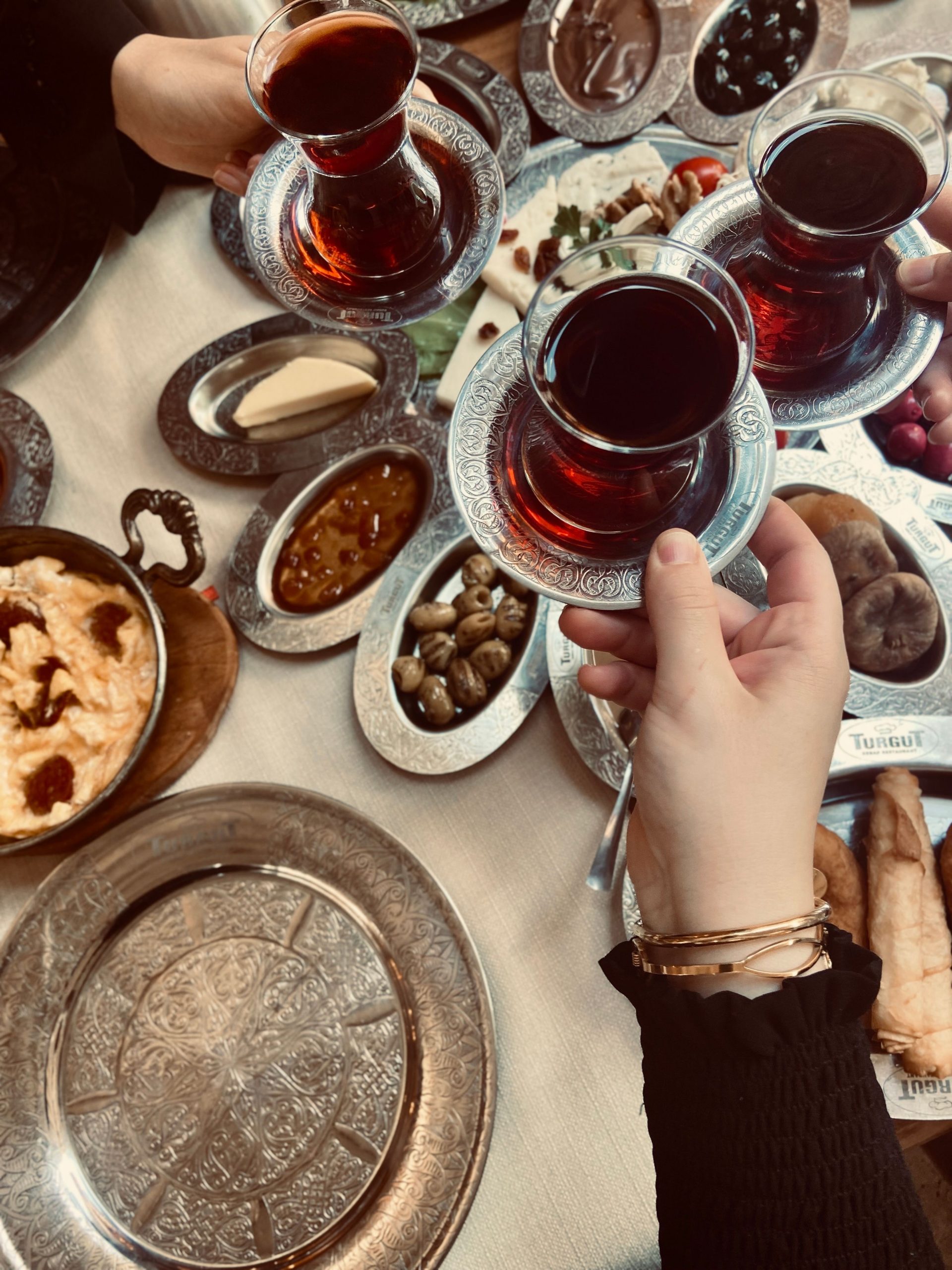
Istanbul is a city best understood through its food.
Its culinary culture has been shaped by the Ottoman palace, the surrounding seas, centuries of trade, and communities arriving from every region of Turkey. Recipes from the Black Sea, southeastern Anatolia, the Balkans, the Caucasus, the Aegean, and the eastern Mediterranean have all found a place at Istanbul’s tables.
This means that not every dish associated with Istanbul originated here. Many were brought to the city by cooks, workers, merchants, and families who made Istanbul their home. Over time, these different traditions became part of the city’s everyday food culture.
The result is a dining scene that ranges from sesame-covered bread rings sold from street carts to elaborate meze tables, neighborhood kebab restaurants, historic dessert shops, and fish served beside the Bosphorus.
For travelers wondering what to eat in Istanbul, the choices can feel endless. This guide introduces the iconic foods in Istanbul that offer a genuine taste of the city and the stories behind them.
1. Simit
Few foods are more closely connected to daily life in Istanbul than simit.
This circular bread is coated with sesame seeds and baked until its exterior becomes crisp and golden. Inside, it remains pleasantly chewy. It is sold in bakeries and from the familiar red carts found near ferry terminals, busy squares, and neighborhood streets.
For many Istanbul residents, simit is a practical breakfast eaten on the way to work or school. It is commonly paired with Turkish tea and may be accompanied by white cheese, olives, tomatoes, or jam.
You can find simit throughout Turkey, but eating one while crossing the Bosphorus on a ferry is a distinctly Istanbul experience. It is simple, inexpensive, and inseparable from the rhythm of the city.
2. Traditional Turkish Breakfast
Breakfast in Istanbul can be quick, but it can also become a long and leisurely social occasion.
A traditional Turkish breakfast may include several kinds of cheese, black and green olives, tomatoes, cucumbers, eggs, honey, clotted cream, jams, butter, and freshly baked bread. Small dishes are placed across the table so that everyone can share.
Depending on the restaurant, the meal might also include sucuk, a seasoned beef sausage; börek, a flaky filled pastry; or menemen, a warm egg dish cooked with tomatoes and peppers.
Turkish tea arrives throughout the meal in small tulip-shaped glasses. There is rarely a need to hurry. On weekends especially, breakfast is a reason for friends and families to spend several hours together.
3. Menemen
Menemen is one of the most comforting breakfast dishes in Turkey.
It is made by cooking eggs with tomatoes and green peppers, usually in a small metal pan. Some versions include onions, although whether onions belong in menemen remains a famously divisive question in Turkey.
The dish is served hot and eaten directly from the pan, with plenty of bread for scooping up the soft eggs and tomato juices. Cheese, sucuk, or spices may also be added, but the classic version depends on a few simple ingredients prepared well.
Menemen is widely available in Istanbul’s breakfast cafés and traditional restaurants. It is particularly satisfying at the beginning of a long day of walking through the city.
4. Börek
Börek is a broad family of pastries made with thin layers of dough and savory fillings.
Cheese, minced meat, potatoes, and spinach are among the most common options. The preparation and shape vary: some börek is rolled into spirals, some is layered in large trays, and some is prepared as individual pastries.
One of the most distinctive varieties found in Istanbul is su böreği. Its soft layers of dough are separated with butter and cheese, creating a texture closer to delicate handmade pasta than crisp pastry.
Börek shops are busiest in the morning, when trays come out of the oven and locals stop for a quick breakfast. A slice of warm börek with tea is one of the city’s classic morning combinations.
5. Balık Ekmek
Balık ekmek literally means “fish bread,” but its cultural significance extends beyond this simple description.
The sandwich usually consists of grilled or fried fish served inside crusty bread with onions, lettuce, and sometimes herbs or a squeeze of lemon. It is most strongly associated with the waterfront around Eminönü and Karaköy.
Eating balık ekmek beside the Golden Horn, surrounded by ferry horns, fishermen, seagulls, and the smell of the sea, has become a classic Istanbul experience.
As with many famous street foods, the location contributes as much as the recipe. Balık ekmek connects the city’s food culture with the water that has shaped Istanbul for centuries.
6. Midye Dolma
Midye dolma—mussels filled with seasoned rice—is one of Istanbul’s most recognizable street snacks.
The rice is generally flavored with spices, herbs, and the natural juices of the mussel. Each shell is opened by hand, topped with lemon juice, and eaten in one or two bites.
Vendors often sell midye dolma by the piece, which makes it easy to begin with only a few. The problem is knowing when to stop.
Because mussels require careful storage and preparation, choosing a busy, reputable vendor is important. Well-prepared midye dolma offers a compact combination of saltiness, spice, citrus, and the flavor of the sea.
7. Kokoreç
Kokoreç is one of Turkey’s most distinctive late-night foods.
It is made from seasoned lamb intestines wrapped around offal and slowly grilled on a horizontal spit. Once cooked, it is finely chopped on a hot surface with spices and served in bread.
The flavor is rich, smoky, and peppery. Some shops chop it very finely, while others serve it in larger pieces so that its texture is more noticeable.
Kokoreç may be challenging for hesitant visitors, but it is an important part of Istanbul’s street-food culture. For those willing to try offal, it can be one of the city’s most memorable flavors.
8. Döner
Döner is known around the world, but eating it freshly carved in Istanbul is a different experience.
Layers of seasoned lamb, beef, chicken, or a combination of meats rotate slowly on a vertical spit. As the exterior browns, thin slices are cut to order.
Döner may be served in bread, wrapped in lavaş, or presented on a plate with rice, vegetables, and pickles. In a good döner shop, the meat itself remains the focus. Heavy sauces are unnecessary when the seasoning, fat, and roasting are properly balanced.
Some of Istanbul’s most respected shops sell only a limited quantity each day. Arriving before the afternoon rush can make the difference between tasting their döner and finding an empty spit.
9. Kebabs
Kebab is not one recipe but an extensive collection of regional cooking traditions.
Adana kebab is made with hand-minced meat, seasoned with red pepper, and grilled on a wide metal skewer. Urfa kebab has a similar form but is generally milder. Şiş kebab consists of pieces of marinated meat cooked on skewers, while patlıcan kebabı alternates meat with sections of eggplant.
These dishes originated in different parts of Turkey rather than Istanbul itself. However, generations of migration have brought skilled kebab makers from cities such as Adana, Gaziantep, Şanlıurfa, and Hatay to Istanbul.
A good kebab meal often includes flatbread, grilled tomatoes and peppers, herbs, onions, and seasonal salads. The accompaniments are not decorative; they form an essential part of the experience.
10. Lahmacun
Lahmacun is made from thin dough topped with a finely chopped mixture of meat, tomatoes, peppers, herbs, and spices.
It is sometimes described as “Turkish pizza,” but this comparison does not quite capture its character. Lahmacun is much thinner, usually has no cheese, and is meant to be finished with parsley, onion, tomato, and lemon before being rolled by hand.
Freshness is crucial. The base should be thin and crisp around the edges while remaining flexible enough to fold.
Lahmacun is often eaten as a quick meal, but it also appears before kebabs as part of a larger dinner. A glass of cold ayran is its traditional companion.
11. Pide
Pide is another baked specialty commonly found in Istanbul.
Its dough is shaped like a long, narrow boat and filled with ingredients such as minced meat, cheese, sucuk, pastırma, vegetables, or eggs. The edges become golden in a hot stone oven while the center remains soft and rich.
Different regions of Turkey have their own pide traditions, and Istanbul’s restaurants reflect this variety. Black Sea-style pide, for example, may have a distinctive shape, dough, and generous use of butter.
Because pide is made to order and served directly from the oven, it is best eaten immediately.
12. Islak Hamburger
The ıslak hamburger, or “wet burger,” is one of Istanbul’s most unusual fast foods.
A small burger is covered with a garlicky tomato sauce and kept warm inside a steam-filled display case. The steam softens the bread and allows the sauce to soak into every part of the burger.
It is closely associated with Taksim Square, where several shops sell them throughout the day and late into the night.
An ıslak hamburger is not intended to be elegant. It is soft, messy, affordable, and deeply connected to Istanbul’s after-hours food culture. Most people order more than one.
13. Kuru Fasulye and Rice
Not all iconic foods in Istanbul are elaborate or internationally famous.
Kuru fasulye, a stew of white beans cooked with tomatoes and sometimes meat, is one of Turkey’s essential home-style dishes. It is traditionally served with buttery rice, pickles, and occasionally raw onion.
The combination is filling, familiar, and deeply comforting. Restaurants specializing in this dish can be found in historic commercial neighborhoods, where tradespeople and office workers stop for lunch.
For visitors, kuru fasulye and rice provide a glimpse of everyday Turkish cooking beyond the better-known kebabs and street foods.
14. Meze
Meze is not simply a list of appetizers. It represents a way of eating.
Small plates are arranged at the center of the table and shared slowly. A typical selection might include eggplant salad, fava bean purée, stuffed vine leaves, yogurt with herbs, seasonal vegetables cooked in olive oil, and seafood dishes.
The offerings change according to the restaurant, region, and season. Along the Aegean and Mediterranean coasts, vegetables and herbs may dominate. At an Istanbul fish restaurant or meyhane, meze may include marinated fish, octopus, or mussels.
A meze table encourages conversation and a slower pace. The meal is not built around finishing one plate and moving to the next; it develops over the course of the evening.
15. Seasonal Fish
Istanbul lies between the Black Sea and the Sea of Marmara, connected by the Bosphorus. Fish has therefore played an important role in the city’s cuisine and identity.
Traditional restaurants serve different species according to their migration and fishing seasons. Lüfer, or bluefish, is among the most prized. Palamut, known as bonito, is often grilled or fried, while hamsi—small Black Sea anchovies—can be prepared in numerous ways.
Levrek, sea bass, and çipura, sea bream, are also commonly found on menus, although diners should ask what is currently in season.
Choosing fish by season provides a better dining experience and offers insight into the natural calendar that once shaped the city’s tables much more strongly than it does today.
16. Baklava
Baklava is one of the most famous desserts associated with Turkish cuisine.
It is prepared by layering extremely thin sheets of pastry with pistachios or walnuts. After baking, syrup is added in a carefully controlled amount. Good baklava should be crisp and rich without feeling heavy or excessively sweet.
Its refined preparation is connected to Ottoman culinary traditions, although baklava culture developed across a wide geography. Today, Gaziantep is particularly renowned for pistachio baklava, and many respected Istanbul pastry shops follow traditions brought from southeastern Turkey.
Fresh baklava makes a delicate crackling sound when cut. That texture is one of the clearest signs of careful preparation.
17. Künefe
Künefe combines shredded pastry, unsalted melting cheese, syrup, and pistachios.
It is cooked in a shallow metal dish until the outside becomes crisp and golden while the cheese inside remains soft. The dessert is then finished with syrup and served hot.
The contrast is what makes it memorable: crisp and soft, sweet and slightly salty, warm and intensely aromatic.
Künefe is associated especially with Hatay and the southeastern Mediterranean region, but it has become a popular dessert in Istanbul. Since it is prepared to order, expect to wait a little. It should arrive at the table hot enough for the cheese to stretch as the first piece is lifted.
18. Turkish Coffee and Tea
Food in Istanbul cannot be separated from tea and coffee.
Turkish tea is consumed throughout the day—in homes, shops, offices, ferries, and restaurants. Served in small glasses, it accompanies breakfast, business conversations, shopping, and long evenings with friends.
Turkish coffee is prepared unfiltered in a small pot called a cezve. It is served in a small cup, often with water and something sweet. The grounds settle at the bottom, so the final sip is best left untouched.
Coffee has a long history in Istanbul, where coffeehouses became important places of social and cultural life during the Ottoman period. Today, drinking Turkish coffee remains both an everyday pleasure and a gesture of hospitality.
How to Experience Istanbul’s Food Culture
A list can introduce Istanbul’s most famous foods, but it cannot fully explain how the city eats.
The complete experience includes hearing the call of a street vendor, watching bakers work beside a hot oven, drinking tea on a ferry, choosing fish from a display, and sharing a table filled with small plates.
Different neighborhoods reveal different aspects of the city. Historic commercial districts preserve generations-old shops. Waterfront communities have strong seafood traditions. Neighborhood markets show how residents shop for vegetables, cheese, olives, spices, and bread. Areas shaped by migration often offer some of Istanbul’s finest regional cooking.
Avoid trying to fit every famous dish into a single day. Istanbul’s food culture rewards curiosity and a slower pace. Leave room for an unexpected bakery, a busy lunch counter, or a recommendation from someone who lives nearby.
Continue Exploring Istanbul’s Food Culture
Istanbul’s culinary story extends far beyond a single list of dishes. The ingredients, traditions, and ways of sharing food all reveal something about the communities that have shaped the city.
Many of Istanbul’s most memorable flavors are enjoyed on the move. To discover where and when to try simit, kokoreç, midye dolma, balık ekmek, and other local favorites, read our complete guide to Istanbul Street Food: What to Try and Where to Find It.
You can also explore our guide to Turkish food culture, where we look at the history, regional influences, and customs behind Turkey’s diverse cuisine, or discover more local advice and travel inspiration on the Food Trail Istanbul blog.
Taste Istanbul With a Local Guide
Reading about Istanbul’s iconic foods is a great introduction, but tasting them in the neighborhoods where they are prepared brings the city’s culinary culture to life.
Our Istanbul Food Journey: Two Continents & Local Flavors takes you through markets, local eateries, and hidden neighborhood stops across two continents. Along the way, you can taste simit with Turkish tea, lahmacun, regional meze, street food, baklava, and Turkish coffee while learning the stories behind each flavor.
Come hungry and discover Istanbul one bite at a time.