
 Contact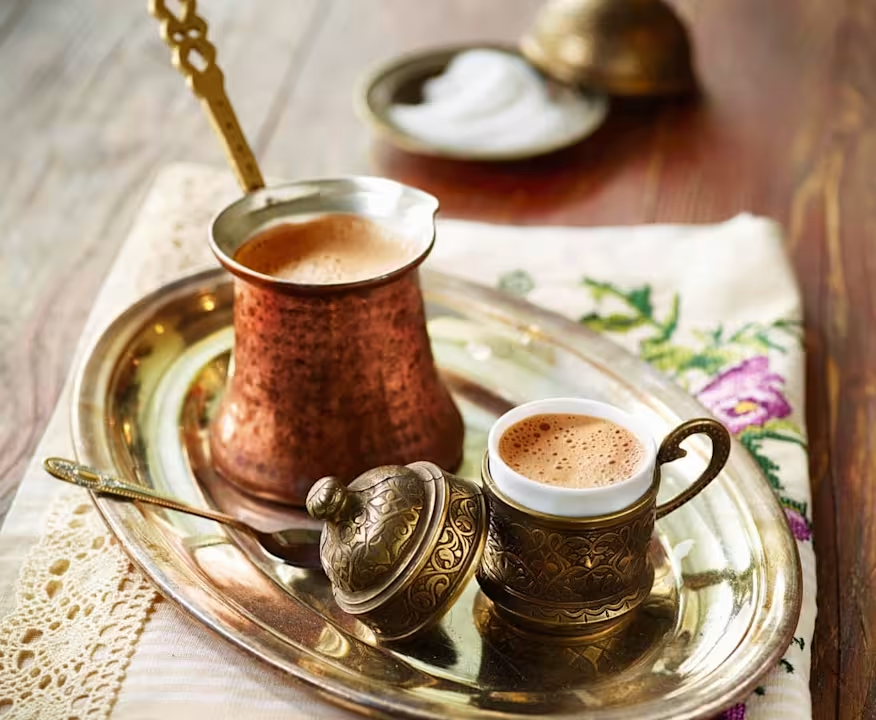
From Ottoman Coffeehouses to Contemporary Cafés
In Istanbul, coffee is rarely only about caffeine. It is about slowing down, extending conversations, and creating pauses within the rhythm of the city.
For centuries, coffee has shaped social life in Istanbul — from Ottoman coffeehouses filled with storytellers and poets to today’s modern cafés where students, artists, and remote workers spend long afternoons overlooking the Bosphorus.
To understand coffee culture in Istanbul is to understand something essential about the city itself: its relationship with time, conversation, and daily ritual.
Ottoman Coffeehouses and the Social Life of the City
Coffee arrived in Istanbul during the Ottoman period and quickly became part of urban culture. By the sixteenth century, coffeehouses had spread across the city, creating spaces where people gathered not only to drink coffee but also to exchange ideas, listen to stories, discuss politics, and spend hours in conversation.
These coffeehouses became an important part of Istanbul’s social fabric. In many ways, they functioned as informal cultural centers where literature, music, and public life intersected.
Even today, traces of this atmosphere remain visible in traditional coffeehouses hidden within older neighborhoods of the city.
Turkish Coffee: Slow, Strong, and Ritualized
Unlike many modern coffee styles designed for speed and convenience, Turkish coffee follows a slower rhythm.
Prepared in a small copper pot known as a cezve, the coffee is brewed carefully over low heat and served unfiltered in small cups. The experience is not rushed. It is usually accompanied by water, small sweets, and long conversations.
In Istanbul, drinking Turkish coffee often carries symbolic meaning as well. It appears during family visits, engagements, celebrations, and moments of hospitality. Even the tradition of reading coffee grounds after finishing the cup continues to survive as part of everyday social culture.
Coffee here is not simply consumed. It is shared.
Why Tea Became the Everyday Drink
Interestingly, although Turkish coffee holds deep cultural significance, tea eventually became the city’s true daily drink.
Today, tea is consumed continuously throughout Istanbul — at breakfast, inside shops, during business meetings, and on ferry rides crossing the Bosphorus. Served in small tulip-shaped glasses, tea fits naturally into the fast rhythm of daily life.
Coffee, on the other hand, often represents something slower and more intentional. People usually sit down for coffee rather than carrying it while walking. In this sense, coffee in Istanbul still preserves part of its older social function: creating moments of pause inside a crowded city.
The Rise of Contemporary Coffee Culture
Over the last decade, Istanbul has also developed a strong contemporary café culture.
Neighborhoods such as Karaköy, Moda, Cihangir, and Galata are now filled with independent cafés serving espresso, filter coffee, and specialty beans sourced from around the world. Many of these spaces combine modern coffee techniques with Istanbul’s traditional café culture, creating environments where people work, read, meet friends, or simply spend time observing the city.
Rather than replacing Turkish coffee culture, this newer café movement exists alongside it.
In Istanbul, it is entirely normal for someone to drink traditional Turkish coffee after lunch and meet friends later for a flat white in Karaköy.
Coffee and the Rhythm of Istanbul
One of the most distinctive aspects of coffee culture in Istanbul is the way it reflects the city’s social rhythm.
People rarely drink coffee completely alone or in a hurry. Coffee often accompanies conversation, hospitality, or moments of rest between daily activities. Sitting in a café overlooking the Bosphorus, spending an hour talking in a neighborhood coffeehouse, or sharing Turkish coffee after dinner all remain deeply familiar experiences across the city.
For visitors, these moments often become some of the most memorable parts of Istanbul — not because of the coffee itself, but because of the atmosphere surrounding it.
Experiencing Istanbul Through Its Coffee Culture
Exploring coffee culture in Istanbul offers more than a taste of a traditional drink. It reveals how the city balances old customs with modern urban life.
From Ottoman coffeehouses to contemporary cafés, coffee continues to shape how people gather, slow down, and connect with one another.
In a city constantly moving between continents, histories, and identities, coffee remains one of Istanbul’s most enduring rituals.
Discover More About Istanbul’s Food Culture
�What Do Locals Eat in Istanbul?
�Turkish Breakfast in Istanbul
�The Fish Culture of Istanbul