
 Contact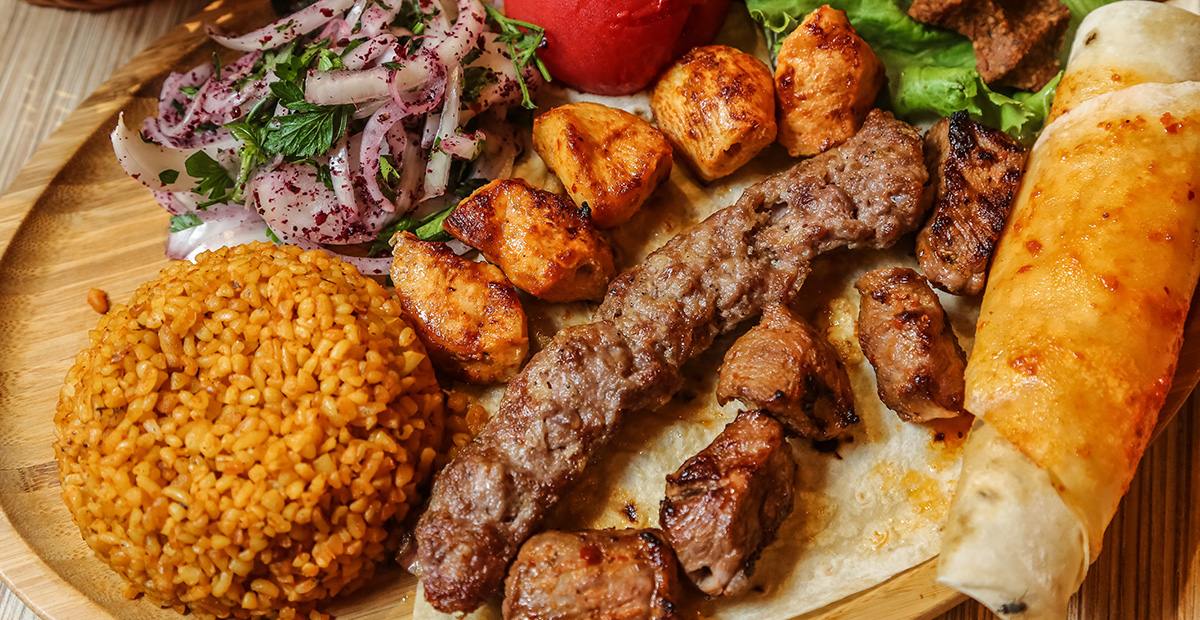
A Local Guide to the City’s Most Iconic Foods
Istanbul offers one of the most fascinating food scenes in the world, shaped by centuries of cultural exchange between Europe, Asia, and the Middle East. From simple street snacks to elaborate traditional meals, the city’s cuisine reflects layers of history, migration, and everyday life. For many travelers, discovering what to eat in Istanbul quickly becomes one of the most memorable parts of visiting the city.
One of the first smells travelers notice in the morning streets of Istanbul comes from small carts selling simit, the sesame-covered bread rings that locals often eat on their way to work or school. Slightly crisp on the outside and soft inside, simit is usually enjoyed with a glass of tea and sometimes with cheese or olives. It is one of the simplest foods in the city, yet it captures the rhythm of everyday life in Istanbul.
Another iconic street food is balık ekmek, a sandwich made with freshly grilled fish, onions, and salad inside crusty bread. Along the waterfront near Eminönü, the smell of grilling fish mixes with the salty air of the Bosphorus as vendors prepare these sandwiches for locals and visitors alike. Eating balık ekmek by the water has become one of the classic food experiences of the city.
No introduction to Istanbul’s food culture would be complete without kebabs. Although kebab traditions come from many different regions of Turkey, Istanbul brings them together in one place. Dishes such as Adana kebab, made with spicy minced lamb, and şiş kebab, grilled meat on skewers, are common in restaurants throughout the city. Each region has its own style, but Istanbul offers the opportunity to experience many of them in a single city.
Another dish that has become synonymous with Istanbul is döner. Layers of seasoned meat slowly roasted on a vertical spit are sliced thin and served either in bread, wraps, or on a plate with rice. Although döner is now known worldwide, tasting it in Istanbul — where it is prepared fresh throughout the day in small neighborhood shops — remains a very different experience.
Equally important are the small dishes known as meze, which are often served before the main course in traditional restaurants. Plates of hummus, eggplant salads, yogurt-based dips, and olive oil dishes appear at the center of the table, encouraging slow meals and conversation. Meze reflects the social side of Turkish dining, where meals are rarely rushed and food is meant to be shared.
Because Istanbul sits between the Bosphorus, the Sea of Marmara, and the Black Sea, seafood also plays an important role in the local cuisine. Restaurants often serve seasonal fish such as lüfer (bluefish), palamut (bonito), and hamsi (anchovies), reflecting the natural rhythm of the surrounding waters. For locals, the arrival of certain fish in season is an anticipated part of the culinary calendar.
For those with a sweet tooth, baklava is perhaps the most famous dessert associated with Turkish cuisine. Made from layers of delicate pastry filled with pistachios or walnuts and soaked in syrup, baklava reflects the refined culinary traditions of the Ottoman palace kitchens.
Another dessert that visitors often remember is künefe, a warm pastry made with shredded dough and melted cheese, finished with syrup and crushed pistachios. Served hot, the contrast between the crisp pastry and soft cheese creates a uniquely satisfying dessert.
Yet what truly defines eating in Istanbul is not just the individual dishes but the environment in which they are enjoyed. Street vendors, neighborhood bakeries, traditional markets, tea houses, and small restaurants all contribute to a food culture that is deeply connected to everyday life.
For travelers, tasting these foods becomes another way of discovering the city. Walking through different neighborhoods, stopping at small shops, and learning the stories behind each dish reveals another layer of Istanbul beyond its famous monuments.
Food in Istanbul is not simply something to try.
It is one of the most authentic ways to experience the city itself.To taste the local foos check our tours.www.foodtrailistanbul.com